Stamped Concrete vs. Pavers for Commercial Properties: Pros and Cons
People seeking commercial stamped concrete installation are typically comparing durability and appearance, and local service providers can help choose and install the best option.
Choosing the right surface for a commercial property’s outdoor spaces can significantly impact both appearance and functionality. For property owners exploring stamped concrete vs. pavers for commercial properties: pros and cons, understanding the strengths and limitations of each option is essential. Many local contractors offer expert installation of stamped concrete, which can provide a seamless, decorative surface that mimics high-end materials at a potentially lower cost. Conversely, pavers offer a modular approach, allowing for easier repairs and customization. This guide aims to help property owners weigh these practical considerations and discover how local service providers can assist in making the best choice for their specific needs.
Deciding between stamped concrete and pavers involves evaluating factors such as durability, maintenance, design flexibility, and overall cost-effectiveness. Property owners in the area often consider these aspects to ensure their outdoor spaces remain attractive and functional over time. Local contractors experienced in stamped concrete installation can deliver a polished, uniform look that enhances curb appeal, while pavers might appeal to those seeking a versatile, easily repairable surface. Keep reading to explore the key differences and find out how trusted local service providers can support the installation process, helping property owners make informed decisions for their commercial spaces.
- Commercial stamped concrete installation - ideal for properties seeking durable, customizable surfaces that mimic high-end materials with a seamless finish, with local contractors emphasizing quick, efficient installation.
- Stamped concrete vs. pavers for commercial properties: pros and cons - property owners may choose stamped concrete for its low maintenance and uniform appearance, with local pros focusing on precise stamping techniques.
- Concrete stamping services - suitable for high-traffic areas needing a resilient surface that can be designed to match branding or aesthetic themes, with local service providers offering tailored patterns.
- Commercial stamped concrete vs. pavers - often selected for large-scale projects where cost-effectiveness and longevity are priorities, with local contractors ensuring proper surface preparation for long-lasting results.
- Stamped concrete installation for commercial properties - recommended when a smooth, continuous surface is desired, with local pros focusing on achieving consistent texture and color throughout the project.
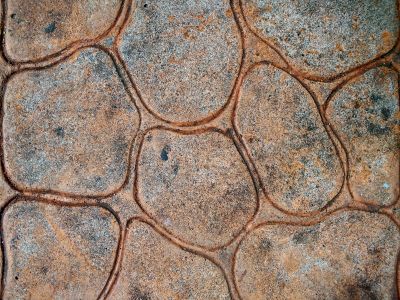
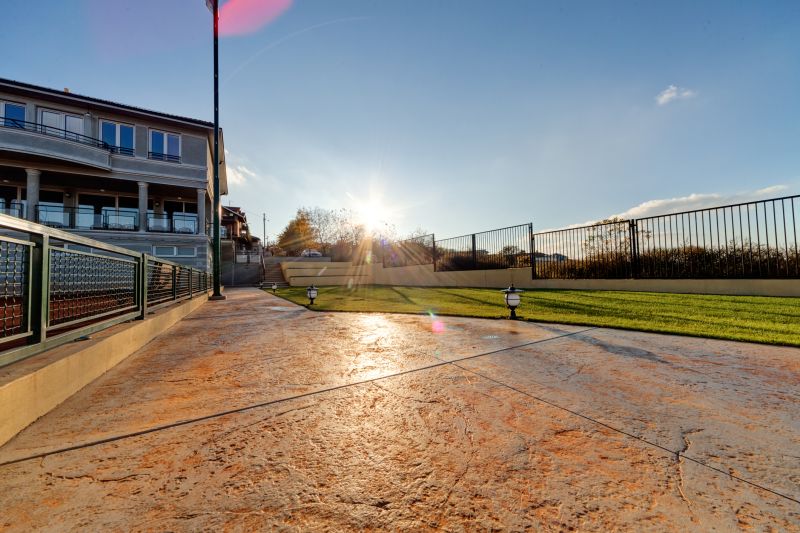
When people search for information about stamped concrete vs. pavers for commercial properties, they are often trying to determine which material best suits their specific project needs. This comparison typically arises in the context of designing or upgrading outdoor spaces such as parking lots, walkways, patios, or plazas that require a durable, attractive surface. Business owners, property managers, or facility planners may be considering these options to enhance curb appeal, improve functionality, or meet budget constraints. Understanding the fundamental differences between stamped concrete and pavers helps clarify which material aligns with the property's aesthetic goals, maintenance expectations, and long-term performance.
This topic is closely related to various planning and problem-solving scenarios involving commercial property improvements. For example, clients might be weighing the longevity and resilience of each material against their property’s traffic levels or environmental exposure. Some may also be concerned about installation complexity or how each option impacts ongoing maintenance costs. These considerations are particularly relevant for properties with high foot or vehicle traffic, such as retail centers, office complexes, or industrial sites. Local service providers specializing in stamped concrete installation can advise on how their solutions integrate with existing infrastructure and address specific challenges faced by commercial properties.
Typically, the types of properties that come into focus when comparing stamped concrete vs. pavers include parking areas, driveways, sidewalks, and outdoor gathering spaces. These spaces often need to balance durability with visual appeal, making the choice of surface material important for both practical and aesthetic reasons. Commercial properties usually seek solutions that can withstand heavy use while maintaining a professional appearance. Local contractors experienced in stamped concrete installation can help property owners evaluate whether this option offers the right combination of strength and design flexibility, or if pavers might provide easier repair and customization options for the long term.
Understanding how local pros fit into the decision-making process is essential for property owners exploring these options. Many commercial projects benefit from the expertise of contractors who specialize in stamped concrete installation, as they can offer insights into design possibilities, installation techniques, and material performance. These service providers are familiar with the unique demands of commercial environments and can recommend the most suitable surface type based on traffic levels, aesthetic preferences, and maintenance considerations. Connecting with experienced local contractors ensures that the chosen material not only meets immediate project goals but also performs reliably over time, supporting the property's overall functionality and appearance.
Concrete stamping projects - local contractors skilled in stamped concrete installation often handle commercial walkways, patios, and decorative surfaces that require detailed patterning and coloring techniques.
Paving stone installations - professionals experienced in paver work frequently undertake driveway, parking lot, and plaza projects that demand precise planning and durable materials.
Surface preparation and grading - many local service providers specialize in site prep needed for both stamped concrete and paver installations to ensure proper drainage and stability.
Landscape and hardscape design - design-focused contractors often work on integrating stamped concrete or pavers into larger outdoor commercial projects for aesthetic consistency.
Drainage and slope planning - experts in site drainage help ensure that stamped concrete or paver surfaces are properly sloped to prevent water pooling and damage.
Material selection consulting - local pros can advise on suitable materials and finishes that complement the specific needs of stamped concrete vs. pavers for commercial properties.
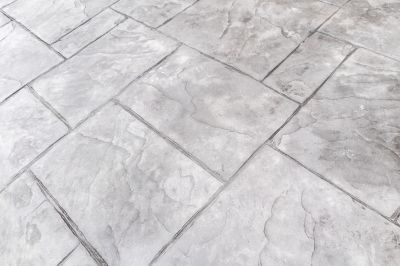
When evaluating contractors for commercial stamped concrete installation services, it is essential to consider their experience with similar projects. An experienced service provider will have a history of working on commercial properties, demonstrating familiarity with the specific requirements and challenges that such projects entail. This background can help ensure that the contractor understands the nuances of stamped concrete versus pavers for commercial applications, including durability, design options, and installation techniques. By reviewing portfolios or asking for examples of past work, property owners can gain confidence that the contractor has the relevant expertise to deliver quality results tailored to commercial needs.
Clear written expectations are a critical component when comparing local contractors for stamped concrete or paver installations. A reputable service provider should be able to provide detailed proposals outlining the scope of work, materials to be used, and the project timeline. Having these details in writing helps prevent misunderstandings and ensures that both parties are aligned on project goals. When considering options like stamped concrete versus pavers, it’s especially important that the contractor explains the benefits and limitations of each, so property owners can make informed decisions based on their specific commercial property requirements.
Reputable references and good communication are vital factors in selecting the right contractor for commercial projects. Service providers with positive references from previous clients-particularly those with similar property types-offer insight into their reliability and quality of work. Additionally, effective communication throughout the project helps address questions or concerns promptly, reducing the likelihood of issues arising during installation. Property owners should seek out contractors who are transparent and responsive, as this indicates a professional approach and a commitment to delivering a successful stamped concrete or paver installation that meets the unique demands of commercial properties.
Property owners often search for stamped concrete vs. pavers for commercial properties: pros and cons when they are planning practical projects around their homes and businesses. Local pros provide Commercial Stamped Concrete Installation services for everyday jobs and straightforward project options.
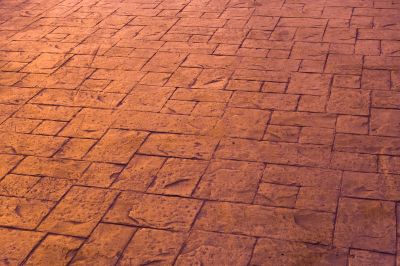
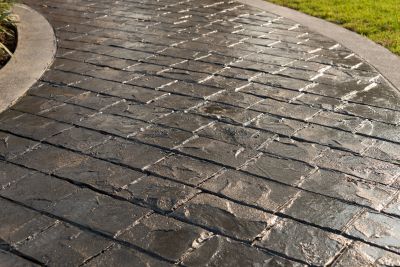
When evaluating stamped concrete vs. pavers for commercial properties, property owners often consider factors like installation complexity, durability, and visual appeal. Stamped concrete tends to offer a seamless surface that can mimic more expensive materials such as stone or brick, making it a popular choice for large outdoor areas like walkways, patios, or parking lots. Pavers, on the other hand, are individual units that can be replaced easily if damaged, which is advantageous for high-traffic zones or areas prone to shifting. Local contractors who specialize in commercial stamped concrete installation can help property owners weigh these practical considerations, ensuring the chosen material aligns with the property's functional needs and aesthetic goals.
For property owners in the area exploring options for their commercial spaces, understanding the pros and cons of stamped concrete vs. pavers can influence long-term maintenance and overall appearance. While stamped concrete offers a smooth, cohesive surface that can be customized with various patterns and colors, it may be more susceptible to cracking over time. Pavers provide flexibility and ease of repair but might require more upkeep to prevent weed growth or uneven settling. Local service providers experienced in commercial stamped concrete installation can assist in assessing the specific demands of a project, helping owners select the right material that balances durability, appearance, and maintenance requirements.
What are the main aesthetic differences between stamped concrete and pavers for commercial properties? Stamped concrete offers a seamless, uniform appearance with customizable patterns and colors, while pavers provide a textured, traditional look with individual units that can be arranged in various designs. Local contractors can help determine which option complements the property's style and branding.
How does durability compare between stamped concrete and pavers in a commercial setting? Pavers are highly durable and can be easily replaced if damaged, whereas stamped concrete is resilient but may crack over time if not installed properly. Local service providers can advise on the best choice based on foot and vehicle traffic levels.
What are the maintenance considerations for stamped concrete versus pavers? Pavers typically require periodic re-sanding and weed control between joints, while stamped concrete may need sealing to prevent surface damage. Local pros can provide guidance on ongoing upkeep for each surface type.
Can stamped concrete or pavers accommodate heavy commercial loads? Pavers generally handle heavy loads better due to their individual units and flexible surface, but properly installed stamped concrete can also support substantial weight. Local contractors can assess site-specific requirements to recommend suitable options.
Which surface type offers more flexibility for future modifications or expansions? Pavers allow for easier modifications, such as adding or replacing sections, whereas stamped concrete is more permanent but can sometimes be reworked with professional care. Local service providers can help plan for potential future changes.
Assessing durability needs - property owners can work with local contractors to choose stamped concrete or pavers based on expected foot traffic and load requirements for their commercial space.
Considering aesthetic goals - business owners might explore different patterns and colors with local pros to match their branding or design vision using stamped concrete or pavers.
Evaluating installation complexity - property managers can discuss site conditions with local service providers to determine which option offers a smoother installation process for their project.
Planning for future modifications - decision-makers can consult with local contractors about how each surface type can accommodate future changes or expansions to their commercial landscape.
If you are thinking about stamped concrete vs. pavers for commercial properties: pros and cons for a property, this guide is meant to help you understand this topic, the typical project types, and how different options might fit your plans.
When you are ready, you can use the quote form on this page to share a few details about your project. From there, local pros can review the basics and follow up with options that match what you have in mind.